

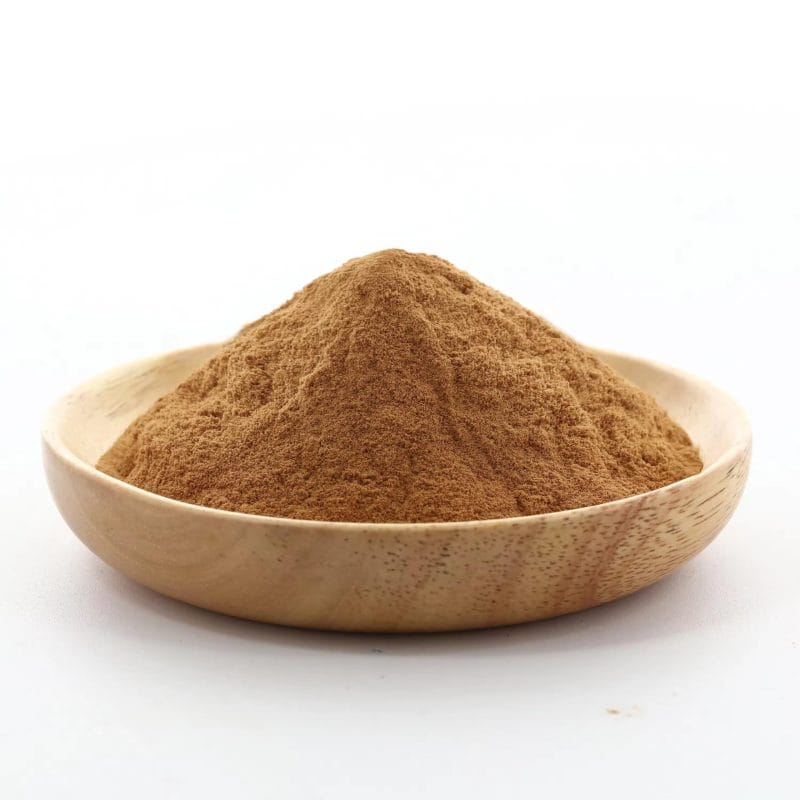
Wood powder is a versatile material made from finely ground wood, often produced from sawdust, wood chips, or wood flour
Production Process
- Harvesting: Trees are felled and transported to sawmills.
- Processing: Logs are sawed into lumber, producing sawdust and wood chips as byproducts.
- Drying: The wood byproducts are dried to reduce moisture content.
- Grinding: The dried wood is ground into fine particles, ranging from sawdust to wood flour.
- Screening: The wood powder is screened to remove impurities and achieve the desired particle size.
Specification
- Size: Ranges from fine sawdust to coarse wood chips.
- Moisture Content: Typically around 6-8%.
- Ash Content: Usually 20-25%.
- Density: Approximately 0.45-0.50 g/cc.
- Carbon Ratio: At least 50%.
- pH Level: Neutral.
Benefits
Renewable Resource: Made from natural wood, making it an eco-friendly option.
Versatility: Can be used in various industries, from construction to agriculture.
Cost-Effective: Low production costs and abundant availability.
High Quality: Consistent particle size and purity ensure high-quality end products.
Important Factors
Moisture Content: Keeping moisture content low is crucial to prevent mold and maintain quality.
Particle Size: Consistent particle size ensures uniformity in applications.
Purity: Removing impurities ensures high-quality wood powder.
Wood powder is a valuable material with a wide range of applications.